Hill Road, Lane County Real Estate

Hill Road is a beautiful little loop in the scenic Mohawk Valley in Lane County, Oregon.  Hobby farms and country properties abound, and homes with acreage are popular, but not frequently on the market.  Properties with both river frontage and valley view are present along Hill Road.  One especially attractive apspect is that it’s only 10 minutes to Springfield

The Mohawk Valley is east northeast of Springfield and generally follows Marcola Road through the town of Marcola.  Hill Road loops from Old Mohawk Road and returns back to Marcola Road after about 4 1/2 miles.  Only about 120 properties exist on Hill Road, ranging from 1/3 acre to 116 acres, with 5 acre parcels being the most common.

The County shows the value of properties along Hill Road from about 50K to over 650K, with a median value of around 250K.  Property Sales data from RMLS over the last 24 months reveal 1 active, no pendings  and 5 solds.  Prices ranged from 160K to 399K, and average price per square foot was:  $123/SF.

Zoning designations common along Hill Road are:  RR5, F2 and EFU.  It is not within any UGB designation, so land development and building permits are controlled by Lane County.  Hill Road is in the Springfield School District, and schools are Yolanda, Briggs, and Thurston.

Hill Road was named after the Hill Family, who lived at least through the 1950s of what is now McKenzie View and Hill Roads.  The area around Hill Road was originally settled by four pioneering families in the mid 1800’s:  The Scotts, Washburns, Listers and McGowans.  It has been slowly subdivided and built up since then.  Further building and development is possible, although rare, due to Lane County’s restrictive zoning ordinances.

Interesting features along Hill Road are:

  • The Mohawk River:  Approximately 30 miles long.  It joins the McKenzie River along McKenzie View Drive.  The Mohawk has no dams on it and is flood prone during  heavy rains.
  • Spores Creek:  Named after the pioneer who named the Mohawk Valley.  It crosses underneath Hill Road about midway down its length.
  • The abandoned Weyerhaeuser railroad:  The elevated roadbed can be seen in places along Hill Road if you know where to look, such as near the old Grange building.
  • Valley View Cemetery:  I remember quite old graves in there, but haven’t been back to verify this.
  • The Mohawk General Store:  A community hub and hotspot in the early 1900’s.  The old dance hall upstairs is still there, I’m told.  It’s one of the few places inside of which you can still wear cork boots.

Hill Road is a beautiful spot to own real estate.  Buying or selling country property in Lane County can be a challenge, but a good realtor who is familiar with the area can be a great aid to you.  Realtors know more about property, its values and idiosyncrasies than anyone else. If you are interested in real estate along Hill Road or other country properties in Lane County, Oregon, please contact me.  Or you can search listings here.

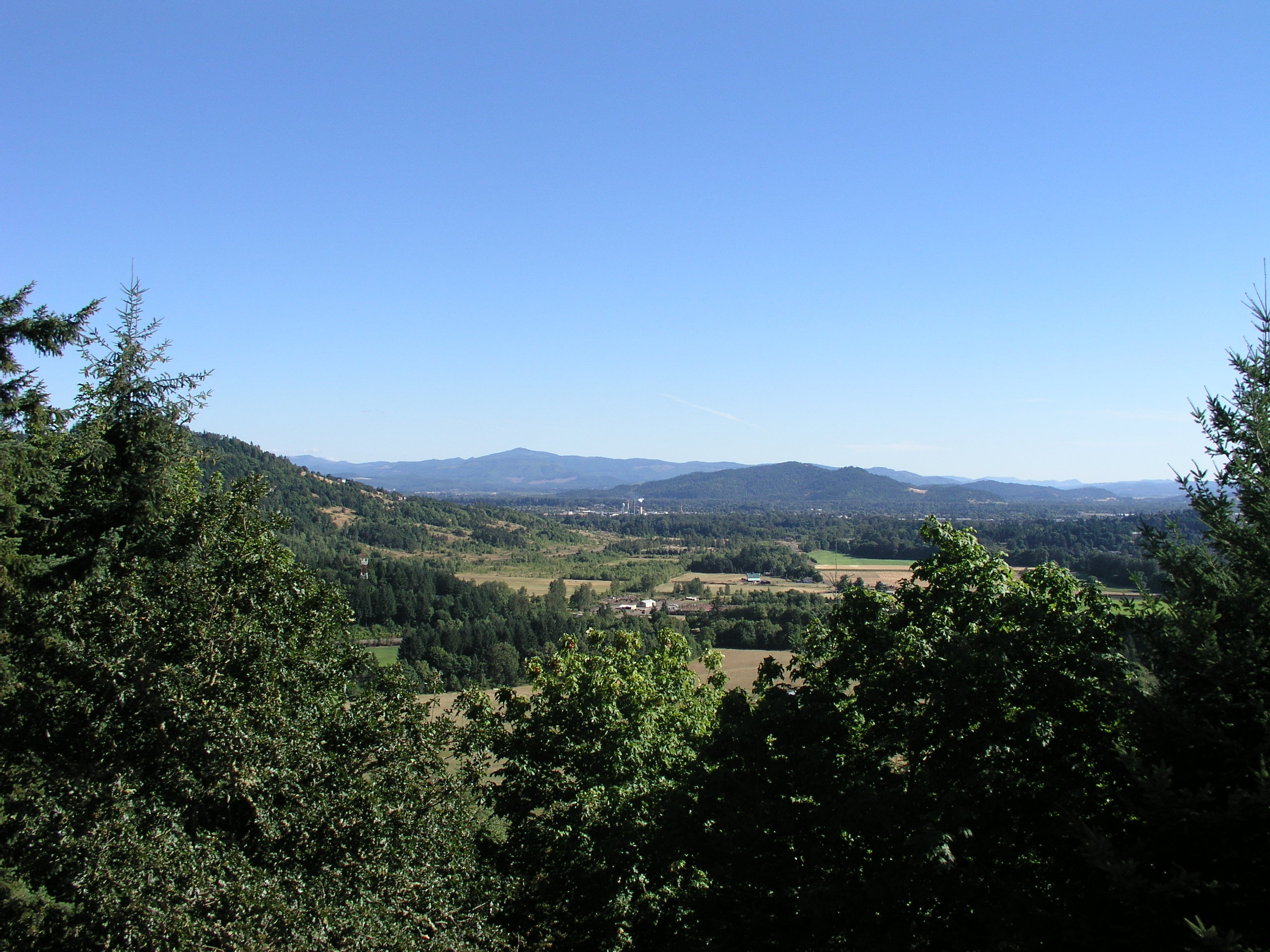
Picturesque Hill Road, Lane County Oregon.  About 10 miles from Springfield.

Picturesque Hill Road, Lane County Oregon. About 10 miles from Springfield.  January ’13

Quaint scenes abound along Hill Road

Quaint scenes abound along Hill Road

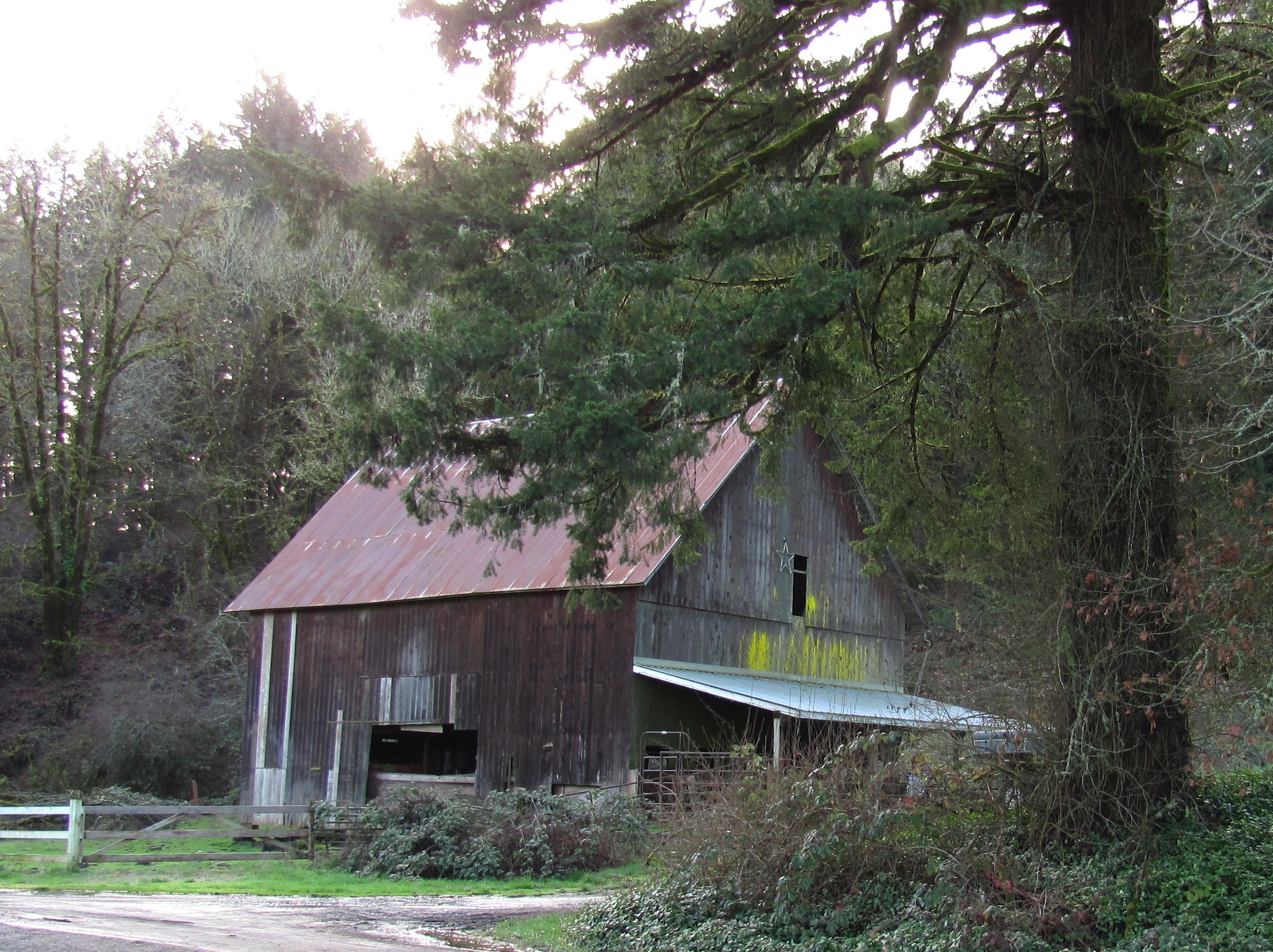
Still a working barn, it shows its history.

Still a working barn, it shows its history.

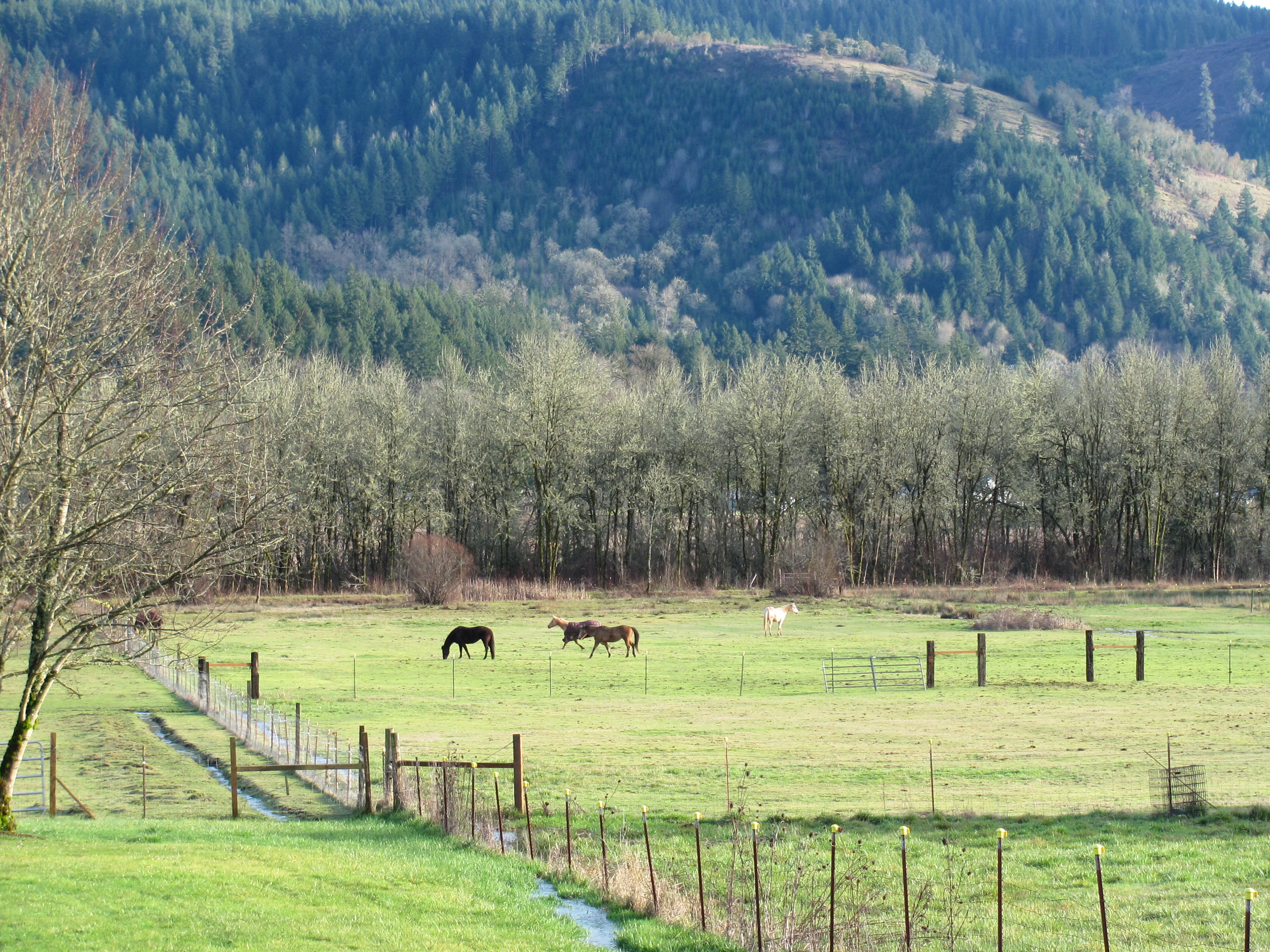
Horses and other pastoral scenes are common along Hill Road.

Horses and other pastoral scenes are common along Hill Road.

Pretty pasture with the road leading off to adventure.

Pretty pasture with the road leading off to adventure.

The Mohawk General Store has stood for 99 years.

The Mohawk General Store has stood for 99 years.

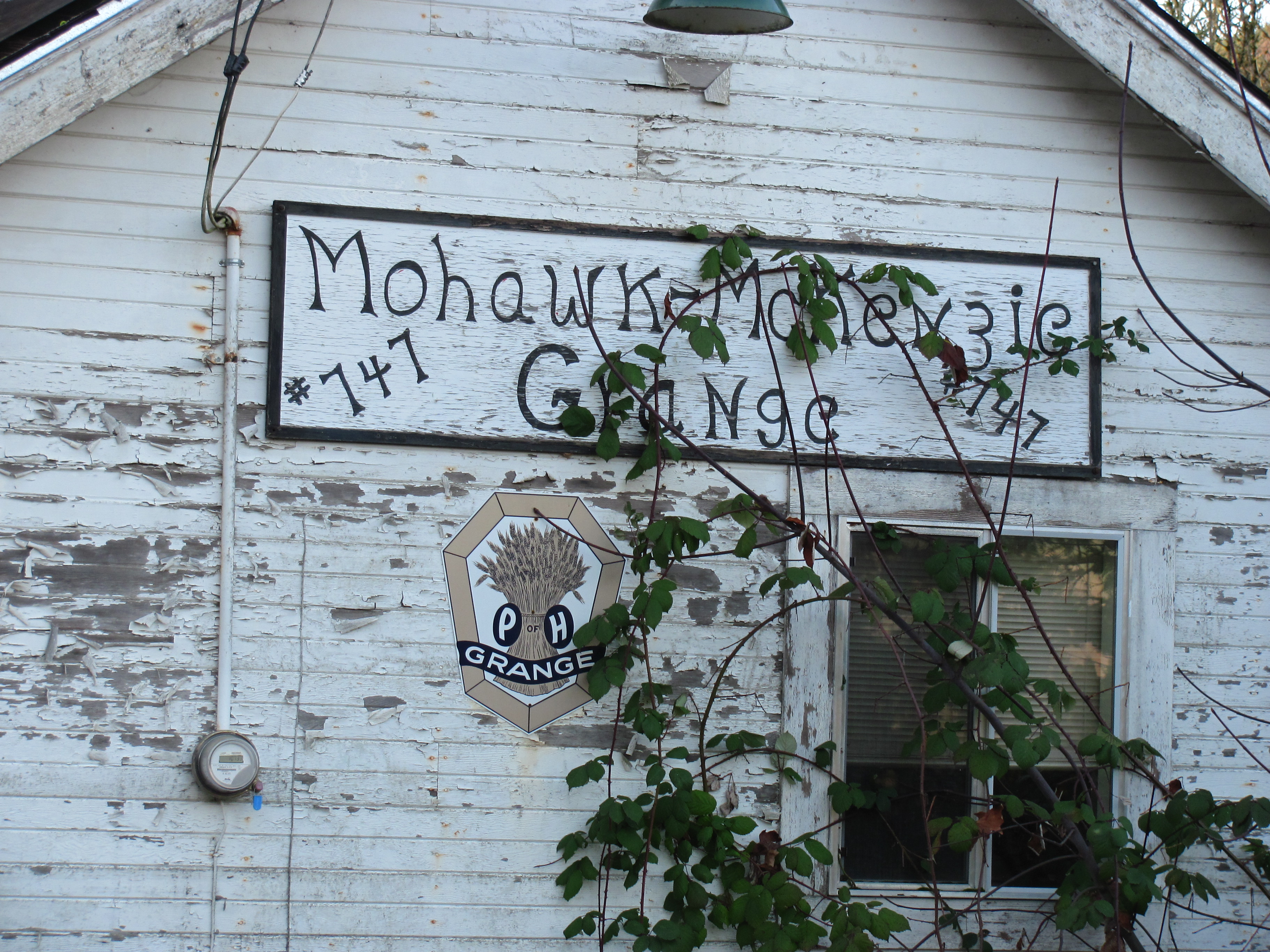
The old Mohawk Grange.

The old Mohawk Grange.

Where Hill Road stops.

Where Hill Road stops.

Too Little Equity Traps Homeowners

Many would love to sell their houses but are trapped due to relatively low prices and high debt.  Our real estate market won’t truly normalize until this changes and trapped home owners can easily sell.  Why are they trapped?  Lack of equity prevents selling as a non-short sale, and refinances can be difficult, due to low or absent equity and/or poor credit, leaving many to scratch their heads for a good solution.  Eventually the situation will resolve, but it will take awhile.

In round numbers, we’ve lost about 1/4 of our value in the real estate market in Eugene Springfield, since peak values in summer of 2007.  If real estate appreciates at a typical value of 3-4% per year, it will be years, not months until we’re back at previous values.  So, prices will eventually rebound, but over time.  Reduction of mortgage debt is also part of the solution.  With every payment, the amount of the home mortgage decreases, which also helps.  Rebounding home prices and a reduction in the mortgage amount are one cure for the problem.  How long until these trapped sellers are set free?  I’d guess perhaps 5 years.

Just how big is the problem?  Nationwide about 1 in 4 mortgages are underwater, which is to say that more is owed than the house is worth.  In Portland, it’s thought to be about 1 in 5.  Statistics aren’t available for Eugene Springfield, but it’s reasonable to assume we’re somewhere between the national average and Portland.

So, what can the trapped homeowner do?  Refinancing is great if you can do it.  We’re at very low mortgage interest rates, and if you can refinance it may well indeed lower your monthly mortgage payments.  Refinancing can involve a myriad of rules and requirements and lenders are the best ones to answer questions.  Some general information on different types of refinancing is below:

FHA Streamline refinancing

  • Your current loan has to be insured by FHA.
  • Often, no appraisal is required.  This means house value, in particular if you are underwater, isn’t considered.
  • Your mortgage payment history is key.  Paying over a month late hurts.
  • A good credit score may not be necessary.
  • Income verification is not necessary.

VA Streamline refinance

  • The VA program is called IRRRL (pronounced “earl” by lenders) which stands for:  Interest Rate Reduction Refinance Loan.
  • You need to have an existing VA loan.
  • No appraisal is required.
  • No income verification is required.
  • You don’t need to occupy the home currently, but do need to have occupied it in the past.

HARP

  • The mortgage must be owned by Freddie Mac or Fannie Mae. The mortgage must have been acquired by Freddie Mac or Fannie Mae on or before May 31, 2009.
  • You may avoid an appraisal (it’s case by case, determined by Fannie or Freddie), but they will refinance your loan even if you’re way underwater.

HAMP refinance

  • Your loan must have been originated before or on January 1, 2009.
  • You must have sufficient documented income to support the payment.
  • You must have a documented hardship.
  • Designed to help people in danger of foreclosure.

The above loan programs actually have more specific rules and guidelines, and I just mentioned a few of the highlights.  A good lender will know more and be able to answer your questions.

I have worked with clients who want to convert their current residence with a mortgage to a rental then purchase another house to live in.  It’s not that it’s impossible to do this, but it is much more difficult than it was in the past.  Each situation is unique, but some of the problems that derail this plan are:  too much debt to income, inability to count rental income if there is insufficient equity in the rental house, and needing in some cases 6 months PITI for the rental and new purchase.  Mitigating factors such as a job transfer helps in this plan.  It’s worth investigating turning your house into a rental, but it’s a more arduous task these days.

When home owners need or want to sell when they’re underwater, some will turn to a short sale.  In some ways, short sales are similar to a regular sale:  the house is listed with a Realtor and offer(s) are accepted by the seller.  In other ways, they are much different:  sales proceeds are short of what is owed (short sale; clever, huh?) and the sale is contingent on the lender’s approval of the short sale.  The lender will want documentation to prove that the seller can’t afford to write a check for the deficiency (difference in sales proceeds and mortgage debt.)  The timing is also much different.  Non-short sales typically close in about 5 weeks from the accepted offer.  Short sales are typically 3 to 6 months.  As I understand it, in Oregon, lenders aren’t allowed to seek deficiency judgments on the first mortgage of a primary residence; this is not the case for second mortgages, though.  Sometimes, but not always, lenders will do “cash for keys,” which is when they give you a small amount of money to assist in moving out.  I always try for this on my short sales, but honestly don’t often get it.  Surprisingly, your credit seems to recover pretty rapidly after a short sale.  I have a client right now that is purchasing a new home after I short-sold her last house 24 months ago.

Foreclosures or a deed transfer in lieu of foreclosure are the last resort, at least in my opinion.  They are said to do the most harm to your credit rating and the effects persist the longest on your credit report.  If all other options are exhausted, though, this may be your last out.  It will certainly get you out of an unwanted house, but is a rather blunt instrument to solve an otherwise delicate problem.

Sometimes it can help to brainstorm with a good lender and/or Realtor when you find yourself trapped in a house with little equity.

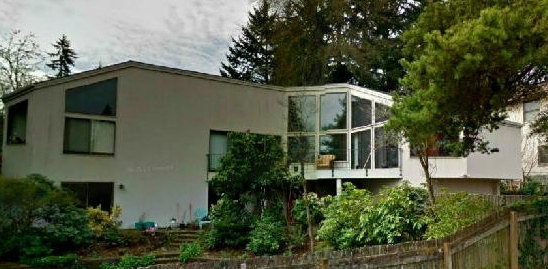
My clients are purchasing this home 24 months after a previous short sale.

My clients are purchasing this home 24 months after a previous short sale.

Buying and Selling Real Estate in Lane County Oregon

Pastoral scene 3 miles from Eugene Oregon

Pastoral scene 3 miles from Eugene Oregon

Lane County continues to be a great place to live and to own real estate. Prices seem to have risen from their bottom at the great recession and are steadily climbing. Combine this with very low interest rates and many are buying and selling real estate in 2013.

I admit I’m biased, but I think Lane County is the best place to be in Oregon, and Oregon is considered a great place to live and to retire. Portland was recently ranked as number 2 in the nation for desirability for places to retire, and other Oregon cities often make the list.. Lane County is probably best known for its trees, water and Ducks. Natural beauty and recreation opportunities abound, and we’re a tourist hot spot. Eugene Springfield, Oregon’s second largest city, is known for both the University of Oregon and it’s relaxed eco-friendly lifestyle. Eugene is close to everything–both 5,000 ft. mountains and the awesome Pacific Ocean are only an hour’s drive away. And, our nice local airport makes everything in the world reachable within in a day or two.

Buyers and sellers of real estate in Lane County fall into a few broad categories:
• Retirees
• Vacation home owners
• Regular citizens living and working here
• Investors.

Lane County is a popular spot for retirement. Our cost of living is relatively low and our climate is mild. Taxes aren’t unduly high. We also enjoy low crime rates. Our health care system is good and we have the largest hospital between Portland and San Francisco. We’re also soon to get a very large V.A. hospital. On balance, Lane County stacks up well against other areas for retirement.

Vacation homes are also popular in Lane County. Some folks maintain a home in the city for doing urban activities or watching Ducks games. Florence and nearby areas have many coast cabin retreats. And, the McKenzie River is known for its beauty and fishing, so has quite a few vacation homes. Of course, Eugene, Florence and the McKenzie communities also have many year round regular residents.

Many find Lane County a great place to live and work. Our property values are relatively cheap compared to other cities on the West Coast, and jobs are available, although not always plentiful. Low crime, low commute times, and good schools make Lane County appealing.

Lane County has no shortage of real estate investors and investment property. Eugene Springfield are the main markets for commercial, industrial and housing real estate. Secondary markets are Junction City, Creswell, Cottage Grove and Florence. A subset of investment properties is student housing, which is found primarily in Eugene, the place with the most students, and to a lesser extent in Springfield, due to its proximity to Eugene. Occasionally, parents will buy their U of O students houses in which to reside while at school, although this isn’t overly common. Bell Real Estate is one of Lane Counties leading property management firms, and has been locally owned since 1964; we understand rentals, commercial and investment property.

Lane County has 350,000 residents, in round numbers. It’s at the southern end of the Willamette Valley, fairly close to the 45th Parallel, which is midway between the equator and north pole. It’s known for its temperate, if somewhat rainy climate. Geography ranges from flat coastal plains, to grass & pasture lands, to vineyards, to mountainous rugged wilderness areas. Over 1/2 of the population lives in Eugene Springfield, and the population density overall in Lane County is low. Over 1/2 the county is in forest, and about 1/2 of the land is owned by the government. Town size ranges from small and barely noticeable to the second largest city in the State, Eugene.

Notable towns in Lane County include:
• Eugene
• Springfield
• Florence
• Junction City
• Creswell
• Cottage Grove
• Oak Ridge.

When you are interested in real estate, whether buying or selling, a Realtor can be a great aid for you. Realtors know more about property, its values and idiosyncrasies than anyone else. If you are interested in real estate in Eugene Springfield, or anywhere in Lane County, Oregon, please contact me.  Or you can search listings here.

Real Estate Prices up in December 2012 Nationwide and Lane County

The Register Guard reported today that home prices, on a nationwide average, shot up the most in over 6 years in December 2012, at 8.3% for the month.  Low supply of homes for sale, low interest rates and decreasing unemployment contributed to the jump in prices.  The states with the greatest real estate price jumps were all in the west.

I find it interesting to compare Lane County to the national trend.  We too were up in December, but at a much smaller rate of only 1.8% when December 2012 is compared to December 2011 (182K vs. 178.7K).  Rising prices are a good sign and point towards our real estate market in Lane County continuing to recover.  If you are interested in Lane County real estate, please contact me.

Buying or Selling Country Property in Lane County Oregon

livestock picture in lane county oregon

Lane County Country Property. Mohawk Valley, 10 minutes to Springfield Oregon.

Country properties in Lane County are different than urban properties, and whether buying or selling, an experienced Realtor should be invaluable to you.  Following, are some of the concerns to consider on rural property in Lane County:

Pricing

Rural property in Lane County behaves to some extent like urban property, in that comps (comparable properties) help define the price.  It is much harder to find direct comps for country properties, however.  Appraisers and banks place more emphasis on the structure(s) than the land.  However, most buyers and sellers evaluate a country property across a number of items, including:

  • Size and quality of residence
  • Type, number and quality of outbuildings
  • Size and type of land (flat, forested, farm etc.)
  • Special features (views; creek, river or lake frontage)
  • Distance to town
  • Relative privacy
  • Proximity to town
  • Schools
  • Floodplain.

Land

Boundaries and property lines:  Frequently, rural properties will have been surveyed and described by a method known as as metes and bounds, which is more complex than most urban surveys.  Factors to consider are will walking the property lines be enough, or is locating the corners and existing monuments, or even a new survey needed?

Drainage:  Is drainage of the land sufficient?  Is the siting of structures any concern?  For instance, structures near a hill may require a French drain.  Structures on soils with a very high clay content may require a sump pump.

Water rights:  Does the property have water rights from a creek or river?  Are there conditions necessary to maintain them, such as continuous use?  Was the water well permitted by the State?

Timber or mineral rights:  These may be sold separately from the land; a title examination will ascertain if the mineral and timber rights remain with the land, which is usually the case.

Resource based requirements:  Does the land need to be replanted with trees to be in compliance with the law?  Does a farm need a certain economic output to be within compliance for zoning ordinance?

Soils:  Farmers pay attention to soil for obvious reasons, and to the rest of us it’s usually just dirt.  However, even if farming isn’t important, it doesn’t hurt to know what you have.  For instance, are Hydric soils present and to what extent?  Hydric soils are usually wet and swampy, and part of the legal definition of a wetland.

Adjacent properties:  Different property uses by your neighbors can impact you.  For instance, a neighborhood quarry may generate truck traffic as well as cause noise from blasting.  A tree farm will probably be logged eventually, and industrial forest owners sometimes spray their crop with herbicides.  A livestock farm may have unpleasant odors.  Industrially zoned property may be noisy and cause truck traffic.  All of the aforementioned uses are present in Lane County; if they are important, you should investigate the property uses in the neighborhood.

Zoning:  Different zones allow different uses.  For example, a residence may not be allowed in F1, non-impacted forest zone, without a certain sized lot.  Zoning rules change over time and usually they become more restrictive.  Ascertaining that a residence or other structures can legally be replaced if there’s a catastrophic loss is a good idea.

Firebreaks:  Lane County requires a setback distance between vegetation and structures if the property is in certain zones, such as forestry.

Land Size:  Financing larger parcels may be difficult.  Freddie Mac and Fannie Mae have maximum standards, and different lenders may even have more restrictive standards.  Knowing these before you look is a good idea, because unless you have all cash, you’ll need a bank loan.

Access

Easements:  country properties in Lane County, sometimes cross property owned by others for access.  Easements are a recorded document that permit you to freely cross another’s property, or they to cross yours.  The title search will show recorded easements from which your property may benefit, or by which your property may be burdened.  Often, recorded easements are permanent and run with the land.

Facilities Permit:  Lane County requires a Facilities Permit for a driveway approach joining their roads.  This is usually only a concern if you need to change your driveway or in the case of new construction, where you need to add a driveway approach.

Maintenance Agreement:  If others cross your property via road, or vice versa, a joint maintenance agreement spelling out who is responsible for what maintenance costs is a good idea.

Driveway standards:  For some country property, Lane County’s driveway standards may be a concern.  For instance, only a maximum slope is allowed and minimum width requirements may be present depending on zoning of the property.

Structure(s)

Inspections:  As with city property, a pests & dry rot inspection as well as a whole house inspection is a good idea before you buy.  Sometimes sellers will obtain both so they can repair any damage before the sale, but this is less common.

Permits:  Things sometimes get built in the country without the required permits.  Checking the permit status is a good idea.  Were building permits obtained for both the structure(s) and any remodeling work?  Was a “final inspection,” or occupancy permit obtained?

Well

Flow:  A well should be tested to insure it has adequate flow.  Different lenders will have different minimums, but 3 gallons per minute seems to be a ballpark minimum to be financeable.  Whether or not a storage tank is required will vary, but low producing wells often require one for the property to be financeable.

Quality:  Oregon State law requires sellers to test well water for coliforms, arsenic and nitrates.  While having the test, finding out about  sulfur, iron and water hardness is a good idea.  Most water problems are correctable with modern technology, but who pays for a water treatment system may be a topic for negotiation.  Wells in southern Lane County, from about Creswell south are known for containing arsenic.

Setback from Septic:  For rather obvious reasons, you don’t want your well too close to the septic tank and drain field.  100 feet is the minimum, and a greater distance doesn’t hurt anything.

Neighborhood water production history:  What do other wells in the neighborhood produce?  If the well fails, as sometimes happens, are you likely to have an easy or difficult time drilling and developing a new well?  You can get an idea about that from looking at the well logs.

Other tests:  The well tests may contain data on drawdown, static level, and water temperature.  Interpretation of these is better left to well experts, in my opinion.

Septic Tank

Inspection:  A septic tank should be pumped and it and the drainfields inspected.  The location of the septic tank is good to know.  As, is the type of septic system–is it standard or a sand filter?  More maintenance and monitoring is sometimes required with a sand filtration septic system, and they are much more expensive if you need to replace them.

Flood Plain

Is the property located in the 100 or 500 year floodplain?  Is flood insurance required, and what is the cost?  Can establishing a baseline elevation allow the properties floodplain status to be changed?  Was the property dry during the 1964 and 1996 floods?

Internet speed

Checking with the local ‘net provider(s) will answer those questions.  While they are of great importance these days, as wireless technology improves, this issue will probably diminish in importance.

Electricity

Generator Back Up:  Power goes out more frequently in the country, and a generator back up is desirable.  Simple systems are manual and require throwing a switch or two and starting a generator.  High end systems are automatic and require little or no human intervention.  Checking outage rates for the area with the local utility provider can shed some light on the subject.

Electric Utilities in Lane County include:

Purchasing or selling country property in Lane County is far more complex than for urban properties.  A good realtor familiar with rural property around Eugene Springfield can be an invaluable resource for you.  If you have questions about real estate, please contact me.  Detailed, non-touristy information on Lane County can be found here.
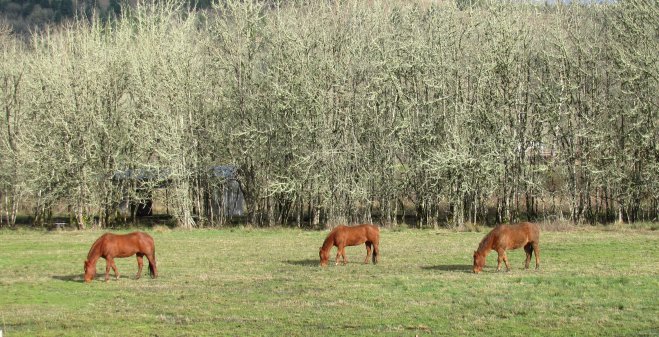
Country property is popular with the horsey set.

Country property is where you most often find horse property.

Hobby farms are popular in the country.

Hobby farms are popular in the country.
Land Surveys and Real Estate

Surveying is a dry topic at best, at least to most of us.  Oregon Field Guide rebroadcast last week a fascinating segment on surveying, though, telling how every square mile of Oregon was surveyed back in the 1800’s, and how the practice continues to this day.  Surveying in the United States dates back to Thomas Jefferson and the Revolutionary War, but most of the original surveying in Oregon didn’t start until the 1850’s due to the Donation Land Claim Act, which encouraged even more Pioneers to come west along the Oregon Trail.  The early settlers got 160 acres for free if they improved the land and stayed for 5 years.  Interestingly, homesteading continued through the 1970s in the lower 48 States and through the 1980s in Alaska.

Unless you’re a surveyor, logger, or involved in a property-line dispute, you probably don’t care too much about surveys.  However, surveys form the basis for legal descriptions on deeds, which are, of course, critical in real estate transactions.  When you sell a property the land is conveyed by signing the deed which is then recorded at the county.  Interestingly, when you sell or convey property, the legal description only describes the land, not the improvements.  According to the Field Guide segment, a couple of deaths a year in the U.S. result from property line disputes.  Yikes.  Loggers care about property lines because they don’t want to harvest someone else’s trees, a problem known as timber trespass, which can lead to treble damages.

All surveys in Oregon, one way or another, reference the Willamette Stone, located in west Portland, and first sited in 1851.  The stone usually draws a yawn even from the most devoted real estate nerds, even if they’ve made special trips to see it.  The Willamette Stone is the intersection of the Principal Willamette Meridian and the Baseline; so it’s the zero or reference point.  The Baseline corresponds to about Stark Street in Portland, and the Willamette Meridian crosses through Walterville in Lane County.

Driving through Oregon’s splendid back-roads is a great way to spend an afternoon.  If you do find yourself driving around on BLM roads, you’ll see their baffling road signs, which consist of a series of numbers and dashes.  If you have cell service, your smart phone’s GPS can tell you exactly where you’re at, but cell service can be spotty in the country.  To use a real-life example, if you saw you were on BLM Road 19-6-16 you could get a rough idea of where you were from the sign.  (BLM road nomenclature is from the start of the road, so unless you happen to be at the start, positioning is only rough).  BLM roads are named by Township, Range, & Section.  Townships and ranges are 6 miles across, so, the example is 19 townships south of Portland, or 114 miles, and 6 ranges away from Walterville, in this case West, or 36 miles.  Remembering to draw your sections, starting with “1” in the upper right corner locates you to the nearest square mile, or in the upper northwest corner of the grid.  Where is this place?  Roughly Alma Oregon, a largely abandoned logging town, 22 miles west southwest of Eugene.

Even if you don’t drive around on logging roads, you’ll see the same type of numbering system on your Lane County property tax bill.  For instance, this is how the County shows Bell’s office on River Road:  17-04-24-34-04200.  Translating this get us 17 townships south of Portland (or 102 miles), 4 sections west of Walterville (24 miles), 24 is the section number, and 34 is the location in section 24.  34 indicates the parcel is in 3rd quarter section (bottom left) and 4th quarter of the 3rd quarter section (bottom right of the bottom left).  A section is 640 square acres, a quarter section is 160 acres, and a quarter-quarter is 40 square acres.  So, the 34 locates the parcel to within 40 acres on the globe.  This 40 square acres corresponds to an area of 1,320 feet x 1,320 feet.  04200 is the tax lot number, which doesn’t indicate position on a map.  Hideously boring?  Probably to most.

Residential property sales in subdivisions are usually described by lot and blocks, such as:  Lot 8, Block 2, Your Subdivision, as platted and recorded in Book 34, Page 22, Lane County Records.  This is clean, simple, description works because Lane County has the survey information recorded, and it can be viewed by anyone.  That survey information may involve a metes and bounds description, which isn’t something most people have ever even seen, let alone read.  Units of measurement can be esoteric at best:  links, chains, rods, furlongs, etc.  Real estate attorneys, title officers and surveyors are about the only people that can actually understand a metes and bounds description.

In the millions of dollars worth of real estate transactions I’ve done, I rarely see anyone get a survey.  It doesn’t mean it’s not a good idea, it just rarely comes up.  Even on country property, where boundaries are less clear than in subdivisions, they’re not often ordered.  Sometimes, for commercial transactions they’ll be ordered to make sure buildings aren’t improperly sited.  Frequently, though, they may incorporated as part of an extended ALTA title policy, so as to have the added benefit of title insurance.  If property lines are in doubt it’s best to call a good surveyor out.

Land surveys precisely describe your real estate.

Land surveys precisely describe your real estate.

Low Interest Rates: Good Time to Buy

Mortgage interest rates are very low these days, usually in the 3% to 4% range, which makes for affordable house payments.  Rates are said to be at 40 year lows, and combined with low, but increasing, house prices in Eugene Springfield Oregon, makes it a good time to buy.

The latest data from the Federal Reserve Board shows a national average for fixed conventional home mortgages to be 3.35%, which is very low.  How long will it stay that way?  No one really knows, but analysts are saying rates will stay low until unemployment drops below 6.5% which they’re not expecting in 2013.  Last quarter’s GDP actually was in negative territory, attributed to a decrease in defense spending.  Get  2 of those in a row and you have a recession, by definition; analysts are not expecting that, though.  New home building is expected to contribute significantly to the economy in 2013.

If you are thinking about buying a house in Lane County, please contact me.

Monthly Mortgage Interest Rates through December 2012

Monthly Mortgage Interest Rates through December 2012

2013 Eugene Springfield Real Estate Market: Predicted Up

Eugene Springfield is predicted to be one of the strongest real estate markets in the country

Springfield Oregon skyline from the north.  Bear Mt. is the tallest peak.  Mt. Pisgah is in the foreground to the right.

Springfield Oregon skyline from the north. Bear Mt. is the tallest peak. Mt. Pisgah is in the foreground to the right.

over the next 5 years, with estimated annualized price appreciation of over 7%.  My own crystal ball isn’t quite that clear, but I hope it is so. Real estate values have been increasing in Eugene Springfield, Oregon over the last few months, however, and hopefully the trend will continue.

Loans on Lots

In today’s conservative lending environment, it can be very difficult to obtain loans in Lane County on raw land, or even on bare lots in a subdivision.  Raw land is often in its natural state and probably doesn’t have utilities or other infrastructure in place, whereas subdivision lots are often ready to build on.

So what do you do if you find that perfect parcel of land, but don’t have all the cash to buy it?  In some cases, seller’s will agree to a land sales contract, in which they essentially finance the purchase.  Sellers retain title to the property until you perform under terms of the contract.  Sellers I know usually want the cash, if possible, and aren’t thrilled with the risk of holding title to a property not controlled by them; they may need to take it back, or there could be a problem brought about by the new buyer, like dumping of something nasty on the property.

Most banks don’t want to loan on raw land because the loans are difficult or impossible to sell on the secondary market.  (Most banks don’t own your loan, merely the servicing rights; the underlying loans typically get sold off on the secondary market.)  Land is also perceived as risky, because if they need to repossess it, there is no quick source of rental income, and development costs can be largely a mystery.

There are a select few lenders in Eugene Springfield that will loan on bare land.  There are the so-called hard money lenders, but they tend to be expensive, and LTV ratios are low.  However, for certain situations, they may make sense.  There are a few portfolio lenders in town, who can and will loan on raw land, or just about anything that makes financial sense to them.  Down payments may be as low as 30%, which is great for land.  If I were wanting to purchase land in Lane County, I think a portfolio lender would be my first stop so I could find out about the financing available.  My second stop would be to call a good honest realtor, especially because it’s free as a buyer.

Below is a picture of a lot I have listed, and on which I lowered the price.  It’s a good example of property for which a portfolio lender makes a lot of sense.

92166 Lot for sale in Marcola Oregon

92166 Lot for sale in Marcola Oregon

Low Crime in Eugene Springfield

Is crime out of control?  Not in Oregon, at least according to just released 2011 FBI statistics.  Depending on which measurement is looked at Oregon’s cities are some of the safest in the country, which is, of course, a good thing.  Low crime makes a location desirable, and desirability (demand) props up real estate prices.

So, what are the numbers for Eugene Springfield?  Violent crimes and murders in particular are very low. Cities which are typically thought of as higher crime, like Detroit, MI, have murder rates over 40 times that of Eugene Springfield.  Non violent crimes are higher in Eugene Springfield, but still less than average compared to the rest of the nation.  Apparently bike theft is pretty bad because we’re such a target-rich environment.  So, Eugene Springfield is very safe if you’re a person, and not so much if you’re a bike.

The FBI statistics cover Metropolitan Statistical Areas, which are generally over 50,000 people, and don’t look at smaller towns per se.  So, they’re not the whole picture but I think a good overview of crime rates.  Our rankings compared to about 370 other MSA’s are below.

Crime Rates for Eugene Springfield

Crime Rates for Eugene Springfield