New Home Building Slows

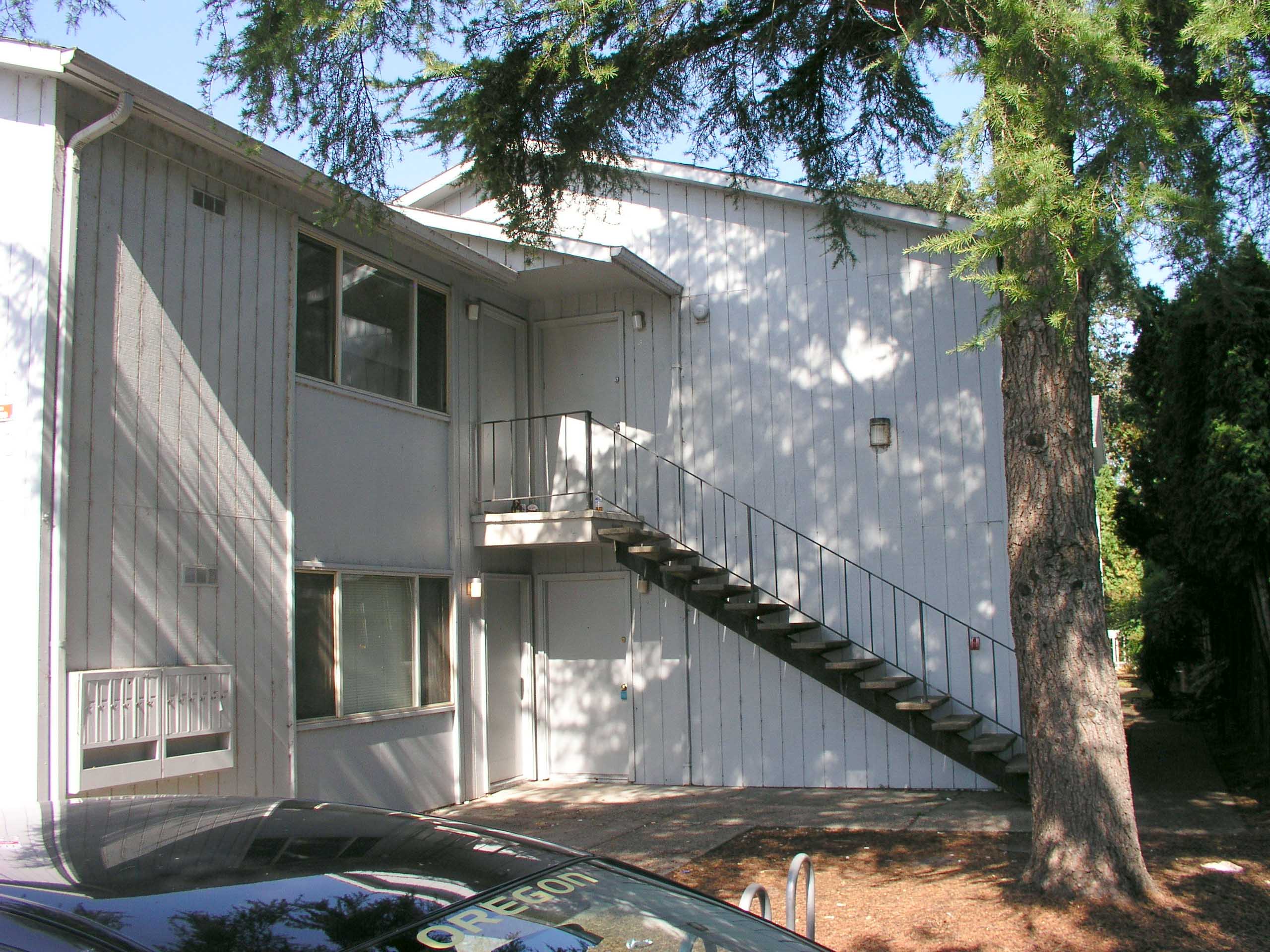
New home construction fell to an all time low in February 2011, with an annualized national number of building permits at 517K.  In Eugene Springfield new residential building is very slow right now.  New building permits issued in January were reported to be 27, down 13% from January 2010.  466 building permits were issued in Eugene Springfield for all of last year.

Distressed properties are often cheaper than replacement cost, and there’s a lot of inventory of all types of houses to be sold; until both of those change, I don’t expect new house building to pick up much.

It’s still a great time to buy, though.  Prices are down in Eugene Springfield and there are some great values.

There are fewer homes being built in Eugene Springfield in 2011
Short Sales in Eugene and Springfield

Short sales in Eugene and Springfield are becoming increasingly commonplace.  While difficult, both buyers and sellers put up with them.  Why?  For sellers, short sales damage their credit less than other options.  For buyers, they represent great values.

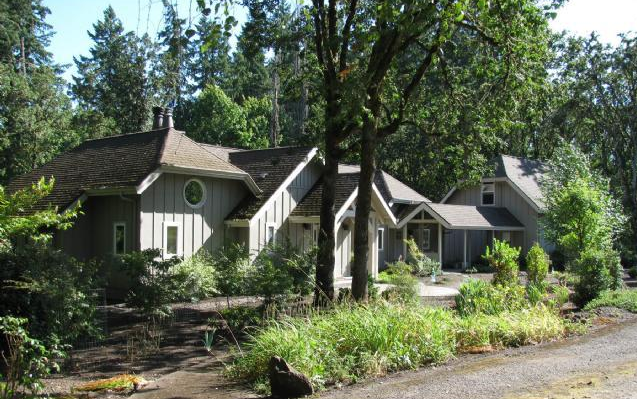
Even expensive homes aren’t immune to short sales.  Below is an example of a short sale I recently did.  It sold for nearly ¾ of a million dollars.  At 8 acres and 1/8 mile of McKenzie River frontage it was a great buy.

If short sales in Eugene or Springfield intrigue you, get a hold of me.

Eugene’s Railroad

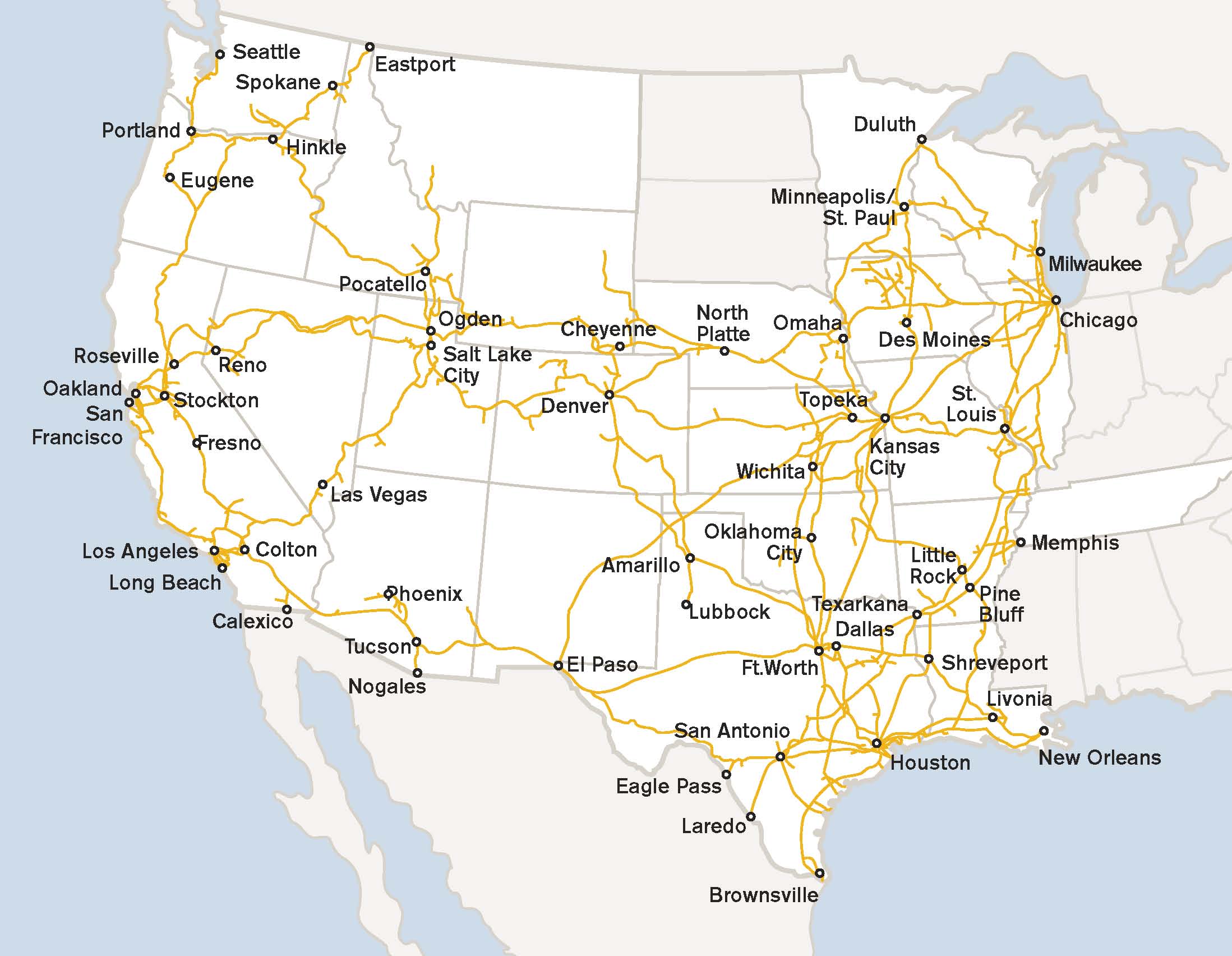
We don’t often think about the Railroad in Eugene, unless there’s a problem–it’s just one of those things we take for granted.  We are on the main-line between Seattle and Los Angeles, and local manufacturers still ship and receive product by rail car, a very efficient transportation method.  (A train can move a ton of freight over 400 miles on 1 gallon of fuel, some three times more efficient than trucks).  And, shooting up to Portland or Seattle via Amtrack is popular.

Gone, at least for now, are the major switching operations in the Eugene railyard.  After Union Pacific bought Southern Pacific, many of the Eugene yard’s functions were consolidated to Roseville and elsewhere.  When I was growing up here, S.P.’s yard was a significant employer.  In the necessary drive towards efficiency, those jobs seem to be gone.  Interestingly, rail shipping rates in the U.S. are the cheapest in the world.

On a brighter note, the elimination of the Eugene switching yard has made the adjoining neighborhoods in Santa Clara, River Road and Bethel more desirable.   Train noise was a perceived problems when switching was occurring, but that’s been largely made a non-issue.

Eugene is connected to the U.S. by rail

Renewable Energy

Eugene thinks of itself as a Green city, but it sounds like Reno may be beating us on this front.  They recently installed nine different wind turbines so that the City and the public could evaluate their performance.  Reno also has solar power helping to generate electricity.  One thing that’s cool about their system is that you can go on-line and look at its power generation real-time.  Looks like Eugene has some catching up to do.

Looking at real-time power generation in Reno

Lending for Commercial Construction Has Increased

An influx of cash for commercial real estate means more projects, and ultimately more jobs.  New apartments are a particularly strong segment of new construction.  And while construction jobs are expected to recover—it will be slow.  About 1/3 of construction jobs disappeared during the Great Recession.

In Eugene, commercial construction is more active than residential.  For example, construction is ongoing on the new $12 million, 69-room boutique hotel at the 5th Street Public Market.

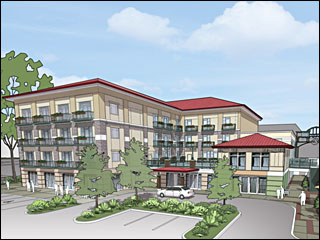
Vision for 5th Street Market Hotel Property

Economic Expansion Largest In Years

In a recent Wall Street Journal article it was reported that the rate of economic expansion (GDP increase) is expected to be its largest since 2003.   And while national unemployment is still high, it is expected to dip below 9% by the year’s end.  Currently the unemployment in Lane County is still above 10%.
 
So what does this mean for housing prices?   Housing prices are affected by a number of factors, but fundamentally, it comes down to supply and demand.  High unemployment decreases demand; you need a job in order to pay your mortgage.  I expect a soft market in Eugene Springfield until our stubbornly high unemployment rate drops.

More jobs will help Eugene's real estate market.

Activists Taking on Oregon Wineries Over Land Use

A local anti-sprawl group—Goal One Coalition—is challenging Oregon wineries in their desire to serve restaurant-style meals at their tasting rooms. Why?  Land use.
 
Overall, Oregon’s state land use laws have prevented the sprawl common in, say, Southern California.  Agree with them or not, they’ve been in place since 1973.  But—that doesn’t mean they are without problems, and the aforementioned situation is one example.
 
Allowing folks to have a meal with their wine sounds like a good idea to me.

Eugene’s UGB and Affordability

Increased density and more multi-family housing in Eugene  is what the powers that be see in our future.   We’re still a few weeks off from learning if the Urban Growth Boundry (UGB) will grow.  My guess is not, but we shall see.  The unintended consequence of a tight UGB is higher land cost, and therefore less afordability, but this is often overlooked.

Eugene: 2009 Summary, 2010 Forecast

Not much of a picture, but the best I could do under the circumstances (fog and on Christmas.) This is somewhat analogous to Eugene in 2009–not much of a year, but we did the best we could. We started the year with a terrible real estate market, with inventories close to 2 years. Fear and gloom were palpable with record unemployment and the greatest recession in many of our lifetimes.

While not spectacular, 2009 ended up better. Housing inventory shrank drastically, to around 6 months, and we even had a bit of a seller’s market in some areas. Distressed sales, namely foreclosures and short sales, were prevalent. Record low interest and the first time buyer’s tax credit helped pull us out of the slump.

My forecast for Eugene in 2010:
1) Housing prices will trend up slightly. Median price in Eugene will hover around 200K.
2) Interest will remain low for the first half of 2010, and be in the sixes by year’s end.
3) Unemployment will decrease to 8-9 %.
4) Distressed property sales will continue to play a major role in our housing market, with probably 1 in 10 sales in this category.

2009 Christmas was Foggy in Eugene Springfield.