
The foreclosure numbers are out for May, and it appears that more and more banks are seizing homes. Nationwide, lenders took back 93,777 properties, while foreclosure filings fell by 3% since April. Oddly enough, this recent wave of seized houses actually has to do with the market becoming more stable. Lenders have been fairly lax in repossessing homes for the past few months while they tried to keep up with the vast number of people who were forced to default when the housing bubble burst. Because of the recent stabilization of the market, lenders are starting to catch back up and repossess assets again. Oregon’s foreclosure rate is currently one of the worse in the nation, ranked as having the 16th most foreclosures in the nation.
Loans/Financing/Credit
Majority of HAMP modified loans fail
As it turns out, most borrowers who have modified their mortgages through the government sponsored Home Affordable Modification Program are likely to default. In fact, somewhere between 65% and 75% will default within the first year. Many borrowers find modifying their mortgage did little to solve their other debt problems, and still end up in either foreclosure or short sale. This comes as little surprise, as borrowers who have modified their loans spend, on average, 64% of their monthly income paying off debt. Should any small emergency arise they are often unable to pay the monthly minimums on their debts. It would be nice if there were a better plan.
Home loan fraud
Why are home loans so hard to get now? This is a question that has undoubtedly been on every homebuyers mind since the recession began. Well, as it turns out, the economy is not the sole reason for the banks recent stinginess. Recently a fraud probe in Oregon charged 39 people with loan fraud, including lending professionals, real estate agents and others affiliated with the real estate industry. Many of these cases were committed by falsely inflating a propertys selling price, which contributed to the housing bubble. While many of those committing loan fraud have been put out of business by the latest crackdown, fraudsters still remain. Rescue fraud has become increasingly popular; victims are those in danger of foreclosure and unscrupulous types are preying on them.
Buying a home after foreclosure
Due to the rush of foreclosures lately many are wondering what their options are for buying a home after foreclosure. While foreclosure is damaging to your credit, the reasons behind your foreclosure may affect how quickly you can buy your next home. Lenders look at things other than credit score when considering you for a home loan, and if they fail to see why you were foreclosed upon, they might assume you are what is known as a “walk away.”
“Walk aways” are what the loan industry calls those who have purposefully defaulted on their mortgage when they could still afford to pay it. This is done typically because the amount owed on a home is greater than the price; many believe they can simply walk away from the mortgage, allow the bank to reposes the house, build up their credit again and buy a new home. Be wary, though, as if lenders suspect that you have done this they will be hesitant to allow you to borrow. What is typically a 2 to 5 year waiting period for buying a new home could be increased to 7 years or more.
Housing shortage could be on the horizon
A housing shortage could be looming in the not too distant future. While it may seem impossible now, over the last 3 years too few new homes have been built, creating a deficit of over 1.5 million homes, that could climb to a shortage of over 2 million next year. Some 1.6 million homes must be added each year to keep pace with demand from population increase and old house demolition. This should prop up house prices over time.
These trends are heavily reflected in Eugene and Springfield, where new building has slowed to a near stop. In 2009 and 2010, there were probably fewer than 100 new houses built. This means that house prices in Eugene and Springfield should increase, along with the national market.

New construction has slowed severely in the last 3 years.
Short Sales
In case you havent been watching the real estate market lately, foreclosures have far from gone away. In fact, according to a recent report the number of foreclosures in Eugene Springfield jumped half a percentage point, to 1.6 percent in April. This trend is reflected nationally, with the number of homes owned by banks in March being estimated at around 522,000, and recent projections indicating that the number is on the rise. So, what are the alternatives to foreclosure?
Loan modification, deed in lieu, and short sales are the practical alternatives. Short sales occur when you owe more money than the house is worth. One advantage to a short sale is less damage to your credit than a foreclosure. You’ll need a realtor to help with a short sale, but the commission is included as part of the sale; in other words it doesnt cost you anything.
Of course, if you’re a buyer, foreclosures and short sales arent such bad news; these are some of the best deals around. The house shown below was one of my listings. It was clean and a great deal, listed at $149,000. Affordable housing in Eugene is still around.
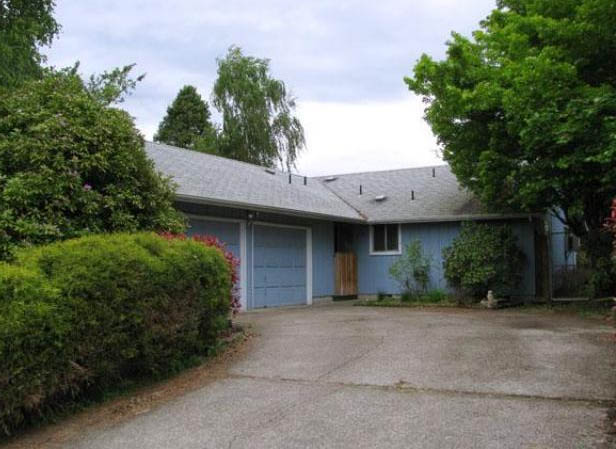
Affordable housing is still available.
Eugene housing market: Stable in Spring 2010
Mortgage interest rates continue to be very low, below 5%, which are some of the lowest rates most home owners have ever seen. Concerns over European finances caused investors to buy U.S. bonds, which pushed the price down; mortgage interest rates follow the 10 year Government Bond.
Longer term trends are less clear. The Government will begin selling its portfolio of 1 trillion dollars worth of home mortgages, acquired in 2009 & 2010, which will push interest rates up. And, Fannie Mae and Freddie Mac continue to need cash infusion, a sign of a weak national housing market. So far, Fannie has lost $145 billion dollars, a sum more than the combined profit it made in the last 35 years.
Home sales around Eugene Springfield were brisk in April, which seemed to be correlated to the expiring tax credit at the end of the month. The big question in the industry was: would sales grind to a stop? They have not and continue to be in keeping with the busy spring season. Prices have remained stable.
This listing of mine sold received an accepted full priced offer within a couple of days of going on the market. Affordable housing continues to be hot in Eugene.
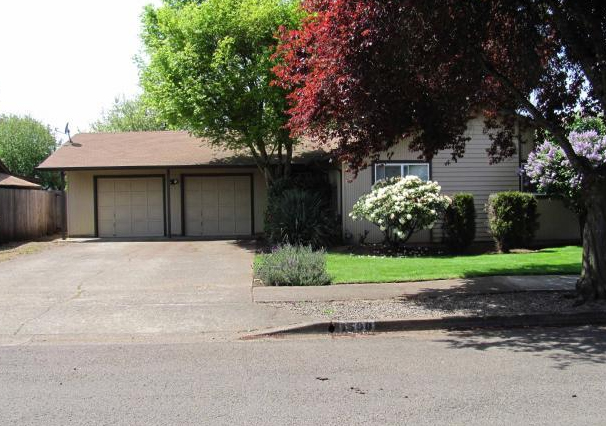
Affordable houses fly off the shelves.
Government stops purchasing mortgages
The Federal Government stopped buying mortgage backed securities yesterday. From 2009 until 31 March, the Gov purchased 1.25 trillion dollars worth of mortgage backed bonds. This kept interest rates on home mortgages at near record lows. Now that the government isn’t buying, it will give more room for private investors to step up. As of yet, interest rates haven’t spiked, and remain around 5%. If the economy continues to improve, rates will probably rise, though.

People are starting to watch interest rates.
Condo Financing Harder Now
The FHA, along with Freddie Mac and Fannie Mae have made loans for condominiums harder to get. The FHA rules kicked in 7 December, and the Fannie and Freddie changes occurred earlier in the year. The rules change frequently enough, that it’s frankly hard to keep up with them. Still, condos are selling and people do get loans on them. The solution: work with a loan officer and realtor that understand condos.
In Eugene Springfield, plan on spending between 100K and 150K for a condo. There are units for more or less, but those are good budgetary numbers. Make sure to look at the HOA dues–some complexes are pretty high. If you’re interested in condos, give me a call at 517-6543.
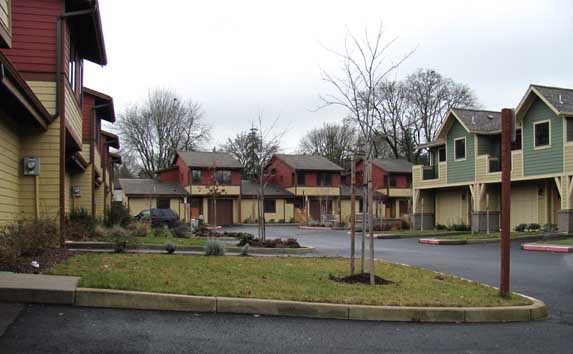
A condominium project in Eugene.
Eugene: 2009 Summary, 2010 Forecast
Not much of a picture, but the best I could do under the circumstances (fog and on Christmas.) This is somewhat analogous to Eugene in 2009–not much of a year, but we did the best we could. We started the year with a terrible real estate market, with inventories close to 2 years. Fear and gloom were palpable with record unemployment and the greatest recession in many of our lifetimes.
While not spectacular, 2009 ended up better. Housing inventory shrank drastically, to around 6 months, and we even had a bit of a seller’s market in some areas. Distressed sales, namely foreclosures and short sales, were prevalent. Record low interest and the first time buyer’s tax credit helped pull us out of the slump.
My forecast for Eugene in 2010:
1) Housing prices will trend up slightly. Median price in Eugene will hover around 200K.
2) Interest will remain low for the first half of 2010, and be in the sixes by year’s end.
3) Unemployment will decrease to 8-9 %.
4) Distressed property sales will continue to play a major role in our housing market, with probably 1 in 10 sales in this category.

2009 Christmas was Foggy in Eugene Springfield.
 Eugene Oregon Real Estate Blog by Craig Tomlinson