FHA reserves low

FHA capital reserves have fallen to ½ %, short of the 2 % minimum required by congress. In part this is due to FHA insured loans gaining in popularity, and in part it’s due to a higher default rate. FHA backed loans are one of the few ways of getting a home mortgage with less than 20% down payment.

So, what’ll happen? Most likely, at least in my opinion, will be an injection of capital from the Treasury. Alternatively, the minimum down payment may be raised from 3.5%, although this would chill the fragile housing recovery, and may be less politically tolerable.

I recently sold this house on short-sale, or pre-foreclosure, to buyers who used FHA for financing.
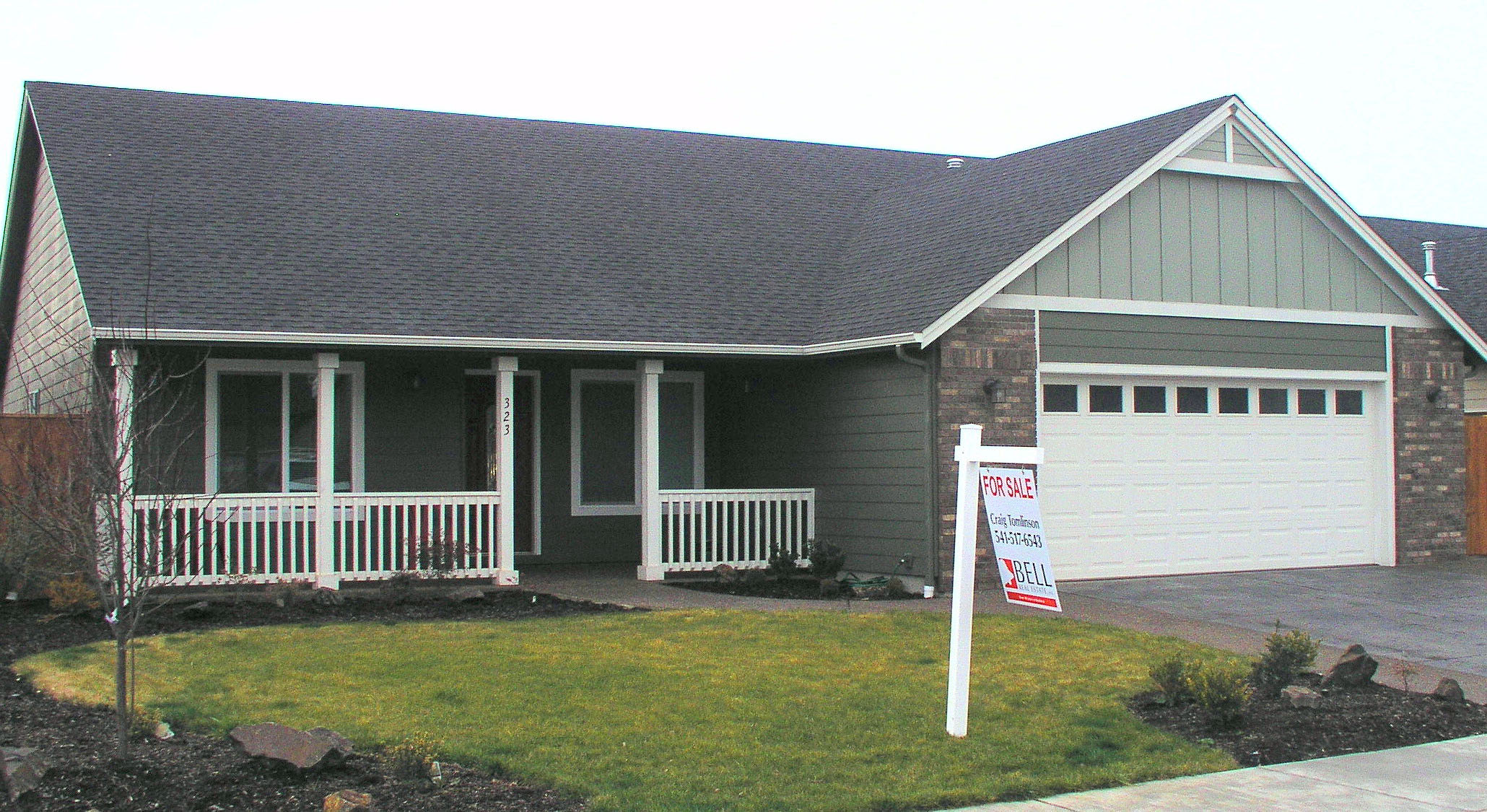
Down Payments as low as 3.5% are available through FHA.
Low mortgage rates

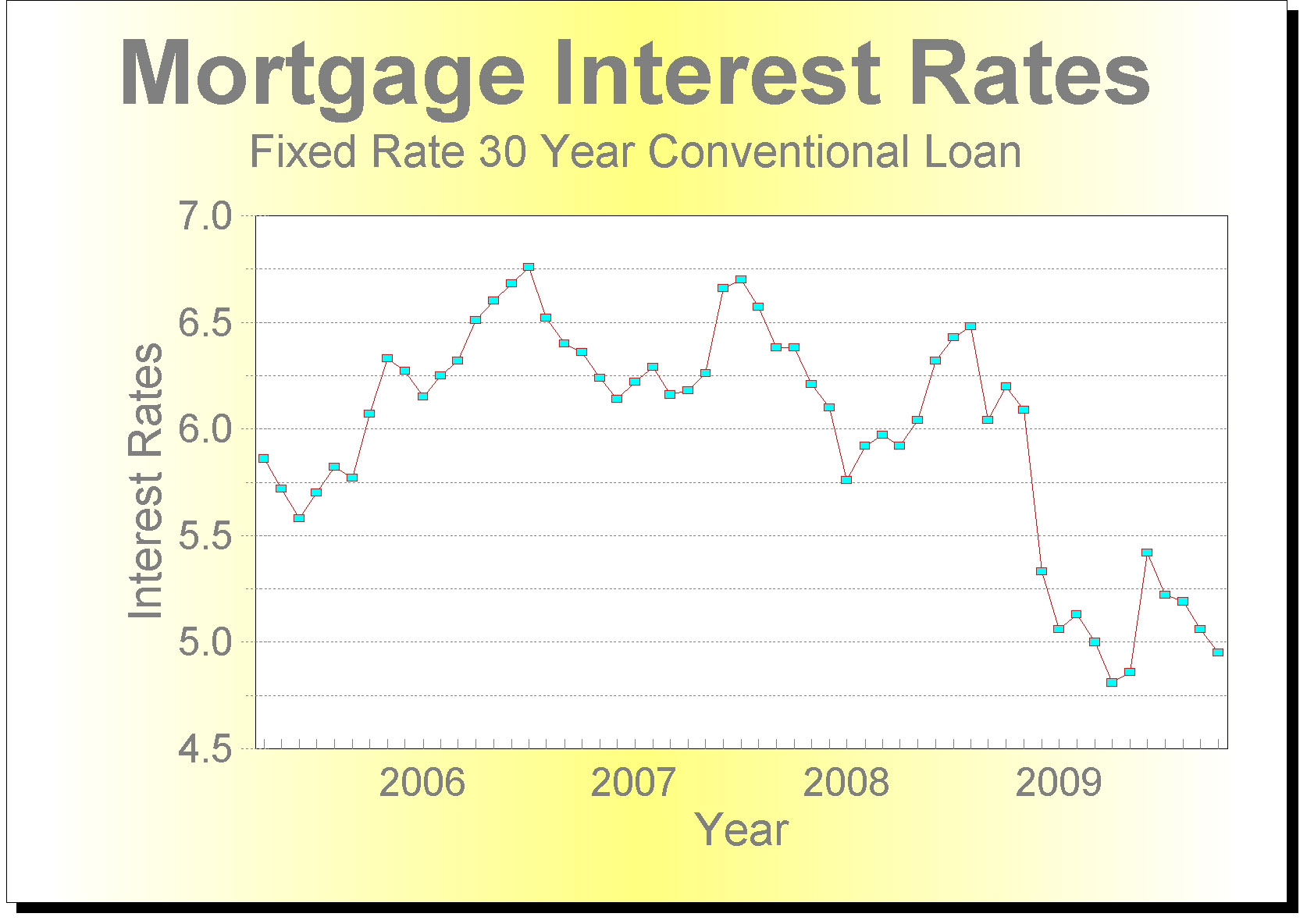
As predicted here, nearly a year ago, the recession ended 3rd quarter, 2009. The government is keeping home mortgage rates low at least through March, 2010. How? It has been buying a large proportion of the mortgages issued, and says it will complete its plan to buy some 1.25 trillion dollars worth, slated to be complete March, 2010. If you’re looking for property, it is a good time to buy.

Home Mortgage Rates are at Historic Lows

Apartment Loan Defaults Up

Apartment loans are defaulting at an increasingly higher rate. Fannie Mae, a major source of apartment lending, is showing loan delinquency rates up about 6-fold from a couple of years ago. Still the absolute rate is less than 1%, which isn’t outrageous. These numbers are nationwide and don’t represent Lane County.

In Eugene Springfield, apartments remain highly desirable, particularly smaller complexes under 2Mm dollars. These are affordable by individuals and can be financed by local banks and credit unions. Perhaps, most desirable of all are campus units, which are perceived to be low risk.

I had this campus apartment house listed at 900K, and it subsequently sold. It’s 10 units, each 2 bedrooms. There’s upside potential because with some cosmetics, the rents could be bumped. It has debt of about 550K that should be assumable. If you’d like to see it, give me a call at 517-6543.

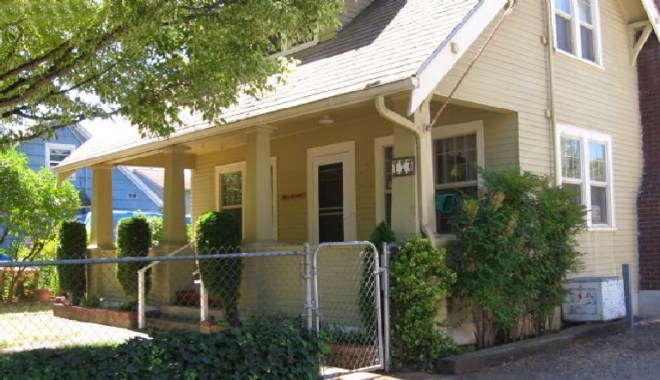
Nice campus apartments, on the Millrace, with a view of the Willamette.

Cause of Housing Crisis: DC

So what caused our housing meltdown, which started in 2007? The short answer is policies from Washington, D.C. As a realtor, I occasionally get heat from people saying that I and my fellow realtors are responsible. Other mistaken villains are builders and bankers. Wall Street’s culpability is somewhat less clear.


Two excellent editorials pin the start of the problem on the 1992 GSE Act, which led to the issuance of more sub-prime loans, which as we all saw, default more. The goal of the act was a greater proportion of home ownership; that may or may not be achieved given the high rate of foreclosures.

So, what’s the eventual outcome? Housing will recover as will the economy. It’s just a question of when.

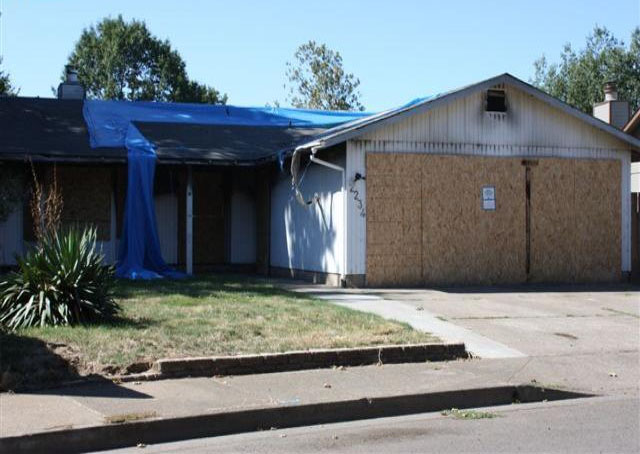
I recently represented buyers in the purchase of this foreclosed home. We got it for 81K, and from showing to closing it was under a month. If you’re interested in foreclosures in Eugene Springfield, give me a call at 517-6543.

Foreclosures are fallout from the housing crisis.

Home mortgage rates low, low, low

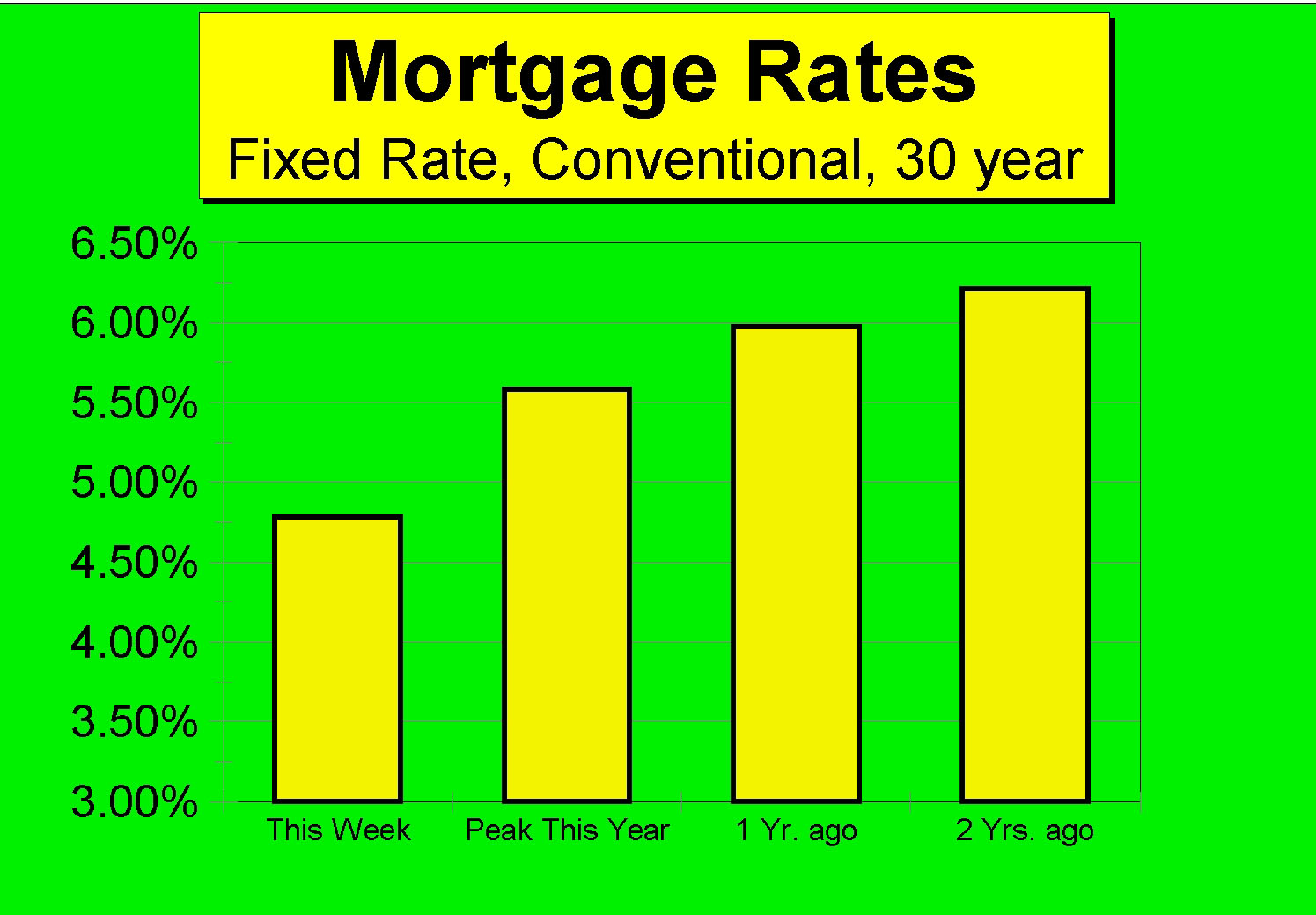
Mortgage interest rates tied historic lows this week at about 4 3/4 percent. This rate was for the fixed rate, 30 year, conventional (20% down-payment). Wow. This is down from about 6% a year ago, and 6 1/4 % two years ago. Why are the rates so low? The government is still snapping up the majority of mortgage paper, and is slated to do so through early next year.

Interest rates are tied for historic lows.

1 in 4 mortgages underwater

1 in 4 homeowners with mortgages now owe more than their homes are worth nationwide, said CNN in a recent story. In hard hit states like Nevada, the number climbs to 2 in 3. The number in Oregon isn’t known (at least by me) but it wouldn’t surprise me if we’re similar to the national average.

I speak to homeowners every day, and it’s common for their mortgage amount to play a big factor in their plans. It’s still possible to sell when you’re underwater or upside down through a short sale. It’s a little more work, but it can be a good solution.

It's better to be above water.


Homebuyer Tax Credit Extended

The homebuyer tax has been extended and expanded. The following is a summary of the new rules:

1) The $8,000 tax credit will be extended and available for first-time purchases before May 1, 2010.

2) A new $6,500 tax credit will be available for repeat buyers who purchase between December 1, 2009, and May 1, 2010. To qualify for this provision, buyers must have used the home sold or being sold as a principal residence consecutively for 5 of the previous 8 years.

3) Prospective purchasers with binding contracts in place as of April 30, 2010, will be allowed an additional 60 days to complete the transaction.

4) Income limits are expanded to $125,000 on a single return and $225,000 on a joint return.

tippy-hoe

Extended, but the rock will fall. I don't expect another extension of the credit.

FHA Lender Goes Bust

The third largest FHA lender, Taylor Bean & Whitaker (TBW) went out of business a few weeks ago. They were a big source of FHA loans for mortgage brokers and small banks. Ginnie Mae appears to be tightening standards on FHA loans in general, and clamped down on TBW. The result: it won’t get any easier to get FHA loans.

zi-man-pottery-sepia

Sunny days at TBW are over.

Will the FHA tighten home loan standards?

Perhaps. They’ve already boosted required down payment to 3.5% in the last year, but remain one of the easiest sources of home loan money. An article in yesterday’s WSJ said that current delinquencies on FHA loans were up from last year by about 1/2 to 7.8%.

FHA is required by Congress to maintain cash reserves of at least 2% of the loans it insures. Reserves were 6.4% in 2007, 3% last year, and is expected to be less than the required 2% when those numbers will be published this September 30.

So, what will happen? Maybe increased down payment. Maybe increased oversight and regulation at FHA and FHA loan originators. Maybe another bail out. But, probably not anything that will help people get loans.

Below is a house I recently sold that went FHA. Payments were a bit over 1K per month for this cool home. As I’ve said before, now is a great time to buy a house.

FHA-house